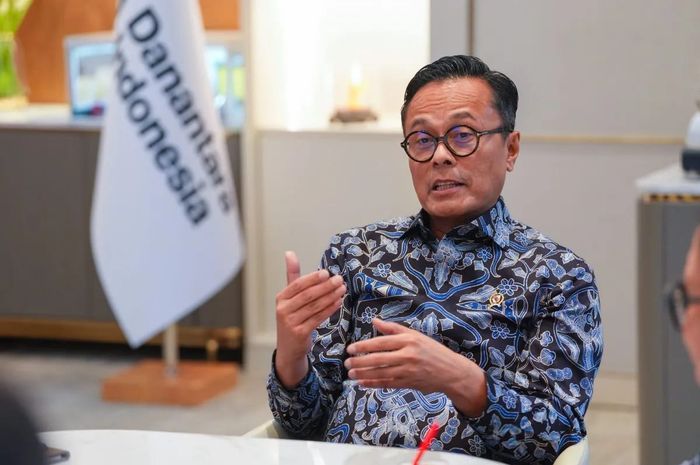
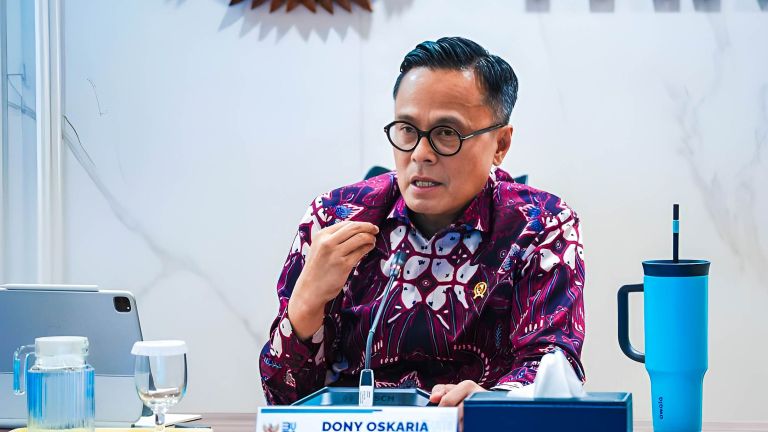
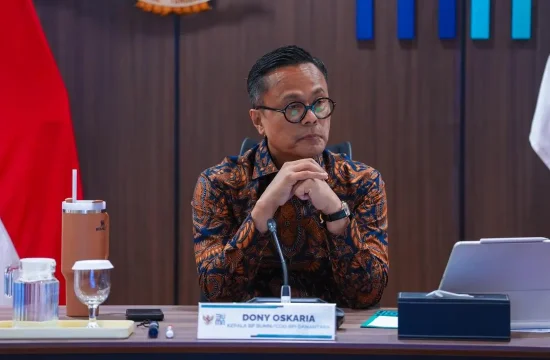
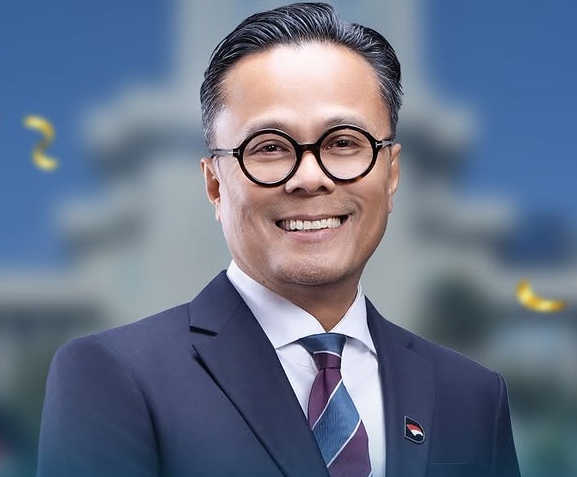
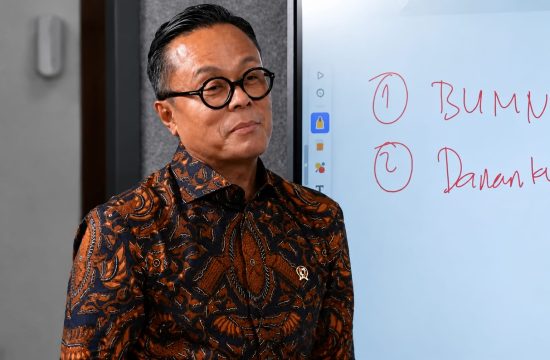
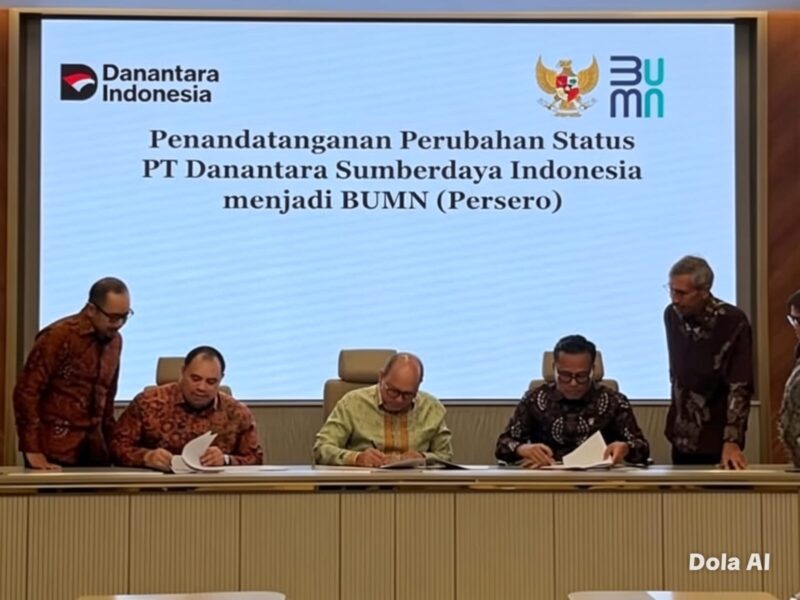
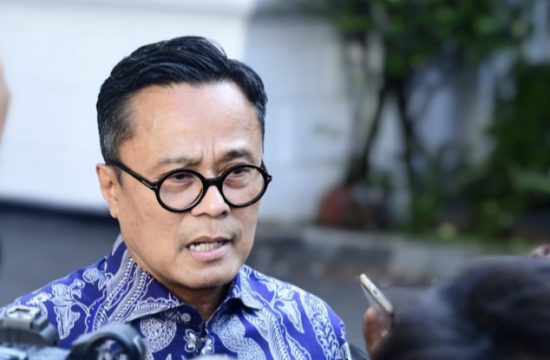
Jakarta, Indonesia, ABIM (3/11/2026) – The performance of Indonesia’s state-owned enterprises (SOEs) throughout 2026 has attracted considerable attention following a significant surge in profitability. Amid this positive momentum, Dony Oskaria, Chief Operating Officer (COO) of Danantara Indonesia and Head of the State-Owned Enterprises Regulatory Agency (BP BUMN), emphasized that the transformation of state-owned companies is beginning to deliver tangible results. He made the statement during the Danantara Technology Innovation Investment Forum (DTIIF) 2026, held at the Fairmont Hotel in Jakarta on Monday (October 26, 2026).
Data presented at the forum showed that the consolidated net profit of Indonesia’s SOEs reached IDR 214.9 trillion from January to October 2026, representing an 18.4 percent year-on-year (YoY) increase compared to the same period last year. This achievement provides an optimistic foundation for Danantara to set a significantly more ambitious target for the end of the year.
“The transformation we have undertaken is delivering results,” Dony said during the forum. He noted that several state-owned companies had recorded remarkable increases in net profit. PT Semen Indonesia (Persero) Tbk. reported a net profit increase of up to 427 percent, while PT Pupuk Indonesia (Persero) recorded an increase of 233 percent.
“Semen Indonesia recorded a 427 percent increase in profit. At Pupuk Indonesia, we changed the business model and managed to achieve a 233 percent increase in net profit,” Dony explained.
Targeting IDR 360 Trillion in Profit by the End of 2026
Dony expressed confidence that the consolidated net profit of Indonesia’s SOEs could reach IDR 360 trillion by the end of 2026. This target is supported by the improvement and consolidation processes involving state-owned companies, which have been underway for approximately the past 18 months.
“I expect that we can close 2026 with net income of at least IDR 360 trillion. I am quite confident that, particularly through SOE consolidation in 2026, we can achieve IDR 360 trillion,” he stated.
To achieve this target, Danantara has prepared a five-year SOE transformation roadmap. The strategy encompasses SOE consolidation and restructuring, technology development, industrial capacity enhancement, and investment in strategic sectors. These improvements will be implemented through corporate restructuring, human resource development, corporate culture transformation, and the adoption of technology.
“Through consolidation, restructuring, human resource development, and the utilization of technology, we aim to improve corporate performance so that SOEs can make a greater contribution to Indonesia’s economy,” Dony said in a press release on Tuesday (October 27).
According to Dony, the transformation is also intended to strengthen the ability of SOEs to generate profits that can be reinvested. Consequently, business development will not rely solely on business expansion but also on improving the productivity and performance of existing operations. One of the sectors targeted for improvement is airport management, including efforts to enhance passenger experiences while developing non-aeronautical revenue streams.
Strategic Role in Strengthening Rural and Regional Economies
Beyond financial performance, Dony Oskaria has also been actively involved in strengthening the business model of the Merah Putih Village/Subdistrict Cooperatives (Koperasi Desa/Kelurahan Merah Putih or KDKMP). Together with Minister of Cooperatives Ferry Juliantono, he discussed the development of these cooperatives during a meeting at Wisma Danantara. The discussions covered progress in verification and validation, as well as the development of sustainable business models to ensure the cooperatives’ long-term viability.
“Building physical infrastructure is easy, developing people is easy, but creating a business model is not easy,” Dony said on Tuesday (October 27).
He emphasized the importance of establishing distribution centers as key hubs for the distribution of essential goods. Under this system, goods will be delivered based on purchase orders (POs), while financing will be managed at the distribution center level to support smooth operations.
“There must be a distribution center. We will deliver the goods there based on purchase orders. The financing will then be handled at the distribution center level,” Dony explained.
Meanwhile, the government’s commitment to developing regional infrastructure has also become a key priority. Speaking at the inauguration of the reactivation of a railway line in West Sumatra at Kayu Tanam Station on Tuesday (October 27), Dony stressed that infrastructure development must not focus solely on economic growth. Instead, it must strengthen the foundations of the national economy to ensure that the benefits of growth are distributed more equitably.
“The government under President Prabowo wants Indonesia’s economic growth to be truly fundamental and sustainable. We no longer want economic growth to benefit only a small segment of society,” he stated.
He expressed hope that the reactivated railway line in West Sumatra would strengthen logistics distribution, including the transportation of agricultural and mining commodities by rail. Similar railway reactivation initiatives are also being undertaken in other regions, including efforts to connect Aceh with Medan, as part of broader initiatives to ensure more equitable access to transportation services.
Conclusion
Under the leadership of Dony Oskaria, Danantara continues to accelerate SOE transformation through consolidation, restructuring, and the adoption of technology. The increase in consolidated SOE net profit to IDR 214.9 trillion as of October 2026 represents an initial indication that the strategy is moving in the right direction.
With a target of IDR 360 trillion in net profit by the end of the year, optimism about the contribution of SOEs to Indonesia’s national economy continues to grow.
Nevertheless, challenges remain, ranging from strengthening the business models of village cooperatives to ensuring more equitable infrastructure development across the regions. If these initiatives are implemented consistently, SOEs will not only serve as engines of economic growth but also as a foundation for more inclusive prosperity for all Indonesians.(ABIM)